
 What is a rechargeable aqueous alkaline zinc–sulfur flow battery?We demonstrate a rechargeable aqueous alkaline zinc–sulfur flow battery that comprises environmental materials zinc and sulfur as negative and positive active species.
How are aqueous zinc-sulfur batteries developed?Hence aqueous zinc-sulfur batteries (AZSBs) were developed by pairing the Zn metal anode with the sulfur cathode (Fig. 1), which has captured the interest of researchers in the recent years.
What is an aqueous zinc–sulfur battery (azsb)?An aqueous zinc–sulfur battery (AZSB) represents a promising next-generation energy storage technology as a result of its salient features of safety, affordability, and environmental benignity. The.
Are aqueous zinc-sulfur batteries safe?1) Safety and Environmental Considerations: Aqueous zinc-sulfur batteries use water-based electrolytes, which inherently make them safer than LIBs and less prone to thermal runaway and explosion events. The eco-friendly nature of zinc and sulfur further streamlines battery recycling processes.
Are rechargeable aqueous zinc-sulfur batteries the future of energy storage?Rechargeable aqueous zinc-sulfur batteries (AZSBs) are emerging as prominent candidates for next-generation energy storage devices owing to their affordability, non-toxicity, environmental friendliness, non-flammability, and use of earth-abundant electrodes and aqueous electrolytes.
Are zinc-sulfide batteries a viable energy storage technology?Additionally, challenges related to polysulfide shuttling hinder battery cycle life and coulombic efficiency (CE). By combining zinc and sulfur, zinc-sulfur (Zn-S) batteries emerge as an environmentally friendly and cost-effective energy storage technology with high energy density (over 500 Wh/kg) relative to existing alternatives (Fig.
What is a rechargeable aqueous alkaline zinc–sulfur flow battery?We demonstrate a rechargeable aqueous alkaline zinc–sulfur flow battery that comprises environmental materials zinc and sulfur as negative and positive active species.
How are aqueous zinc-sulfur batteries developed?Hence aqueous zinc-sulfur batteries (AZSBs) were developed by pairing the Zn metal anode with the sulfur cathode (Fig. 1), which has captured the interest of researchers in the recent years.
What is an aqueous zinc–sulfur battery (azsb)?An aqueous zinc–sulfur battery (AZSB) represents a promising next-generation energy storage technology as a result of its salient features of safety, affordability, and environmental benignity. The.
Are aqueous zinc-sulfur batteries safe?1) Safety and Environmental Considerations: Aqueous zinc-sulfur batteries use water-based electrolytes, which inherently make them safer than LIBs and less prone to thermal runaway and explosion events. The eco-friendly nature of zinc and sulfur further streamlines battery recycling processes.
Are rechargeable aqueous zinc-sulfur batteries the future of energy storage?Rechargeable aqueous zinc-sulfur batteries (AZSBs) are emerging as prominent candidates for next-generation energy storage devices owing to their affordability, non-toxicity, environmental friendliness, non-flammability, and use of earth-abundant electrodes and aqueous electrolytes.
Are zinc-sulfide batteries a viable energy storage technology?Additionally, challenges related to polysulfide shuttling hinder battery cycle life and coulombic efficiency (CE). By combining zinc and sulfur, zinc-sulfur (Zn-S) batteries emerge as an environmentally friendly and cost-effective energy storage technology with high energy density (over 500 Wh/kg) relative to existing alternatives (Fig.
We demonstrate a rechargeable aqueous alkaline zinc-sulfur flow battery that comprises environmental materials zinc and sulfur as negative
Get Price
We demonstrate a rechargeable aqueous alkaline zinc–sulfur flow battery that comprises environmental materials zinc and sulfur as negative and positive active species.
Get Price
Updated monthly, the Nature Index presents research outputs by institution and country. Use the Nature Index to interrogate publication patterns and to benchmark research
Get Price
This review focuses on building better aqueous zinc-sulfur batteries, including the electrochemistry of conventional and decoupled aqueous zinc
Get Price
Each year presenters at an IFBF conference are asked to write a short, standalone paper to support their presentation. These papers are very
Get Price
Zinc enabled redox flow batteries are promising candidates of large-scale energy storage for green energy to attain the target of carbon neutralization, triggering vast research
Get Price
Several studies have discussed the various battery technologies and applications, but evaluating the environmental impact of batteries in electrical systems
Get Price
This review focuses on building better aqueous zinc-sulfur batteries, including the electrochemistry of conventional and decoupled aqueous zinc-sulfur batteries, the challenges
Get Price
ABSTRACT: Zinc-based flow battery is an energy storage technology with good application prospects because of its advantages of abundant raw materials, low cost, and environmental
Get Price
We demonstrate a rechargeable aqueous alkaline zinc-sulfur flow battery that comprises environmental materials zinc and sulfur as negative and positive active specie.
Get Price
Whereas nonaqueous lithium-sulfur 4, 5, 6 and high-temperature sodium-sulfur batteries 7 use sulfur as the cathode, an all-aqueous system must use sulfur as the anode
Get Price
Along with a review of ongoing research activities in the field, future prospects and potential applications of this novel battery technology are also
Get Price
Abstract Aqueous zinc-based flow batteries (ZFBs) represent one of the most promising energy storage technologies benefiting from their high
Get Price
The optimum pyrolysis temperature was measured as 600℃. The aqueous alkaline zinc-sulfur flow battery assembled with this electrode showed reduced polarization
Get Price
In this comprehensive review, it is delved into the primary mechanisms governing AZSBs, assess recent advancements in the field, and analyse pivotal modifications made to
Get Price
Along with a review of ongoing research activities in the field, future prospects and potential applications of this novel battery technology are also explored.
Get Price
Several studies have discussed the various battery technologies and applications, but evaluating the environmental impact of batteries in electrical systems remains a gap that requires
Get Price
<p>The aqueous Zinc-Sulfur (Zn-S) batteries hold significant promise for next-generation batteries due to their high theoretical specific capacity S (1,672 mA
Get Price
Abstract Rechargeable aqueous zinc/sulfur (Zn/S) batteries are promising candidates for large-scale energy storage applications owing to
Get Price
By combining zinc and sulfur, zinc-sulfur (Zn-S) batteries emerge as an environmentally friendly and cost-effective energy storage technology with high energy density
Get Price
We demonstrate a rechargeable aqueous alkaline zinc–sulfur flow battery that comprises environmental materials zinc and sulfur as negative
Get Price
Abstract Aqueous zinc-sulfur (Zn-S) batteries show great potential for unlocking high energy and safety aqueous batteries. Yet, the sluggish
Get Price
Sulfur as a cathode material is a low-cost option along with showing an exceptional specific capacity; hence aqueous zinc-sulfur batteries (AZSBs) are investigated in recent
Get Price
The development of aqueous redox flow batteries (ARFBs) has been plagued by high material costs and poor operating stability. Here the authors report a membrane design to
Get Price
Abstract The aqueous Zinc-Sulfur (Zn-S) batteries hold significant promise for next-generation batteries due to their high theoretical specific capacity S (1,672 mA h g−1), their high safety,
Get Price
Zinc-based flow battery technology has always been the cynosure in energy storage applications. Advanced materials, e.g., membranes,
Get Price
Each year presenters at an IFBF conference are asked to write a short, standalone paper to support their presentation. These papers are very informative; reporting on the latest progress
Get Price
We demonstrate a rechargeable aqueous alkaline zinc–sulfur flow battery that comprises environmental materials zinc and sulfur as negative and positive active species.
Get Price
We demonstrate a rechargeable aqueous alkaline zinc–sulfur flow battery that comprises environmental materials zinc and sulfur as negative and positive active species.
Hence aqueous zinc-sulfur batteries (AZSBs) were developed by pairing the Zn metal anode with the sulfur cathode (Fig. 1), which has captured the interest of researchers in the recent years.
An aqueous zinc–sulfur battery (AZSB) represents a promising next-generation energy storage technology as a result of its salient features of safety, affordability, and environmental benignity. The...
1) Safety and Environmental Considerations: Aqueous zinc-sulfur batteries use water-based electrolytes, which inherently make them safer than LIBs and less prone to thermal runaway and explosion events. The eco-friendly nature of zinc and sulfur further streamlines battery recycling processes.
Rechargeable aqueous zinc-sulfur batteries (AZSBs) are emerging as prominent candidates for next-generation energy storage devices owing to their affordability, non-toxicity, environmental friendliness, non-flammability, and use of earth-abundant electrodes and aqueous electrolytes.
Additionally, challenges related to polysulfide shuttling hinder battery cycle life and coulombic efficiency (CE). By combining zinc and sulfur, zinc-sulfur (Zn-S) batteries emerge as an environmentally friendly and cost-effective energy storage technology with high energy density (over 500 Wh/kg) relative to existing alternatives (Fig. 1).
 Solar Base Station Flow Battery Construction Plan
 What is the price of chromium flow battery
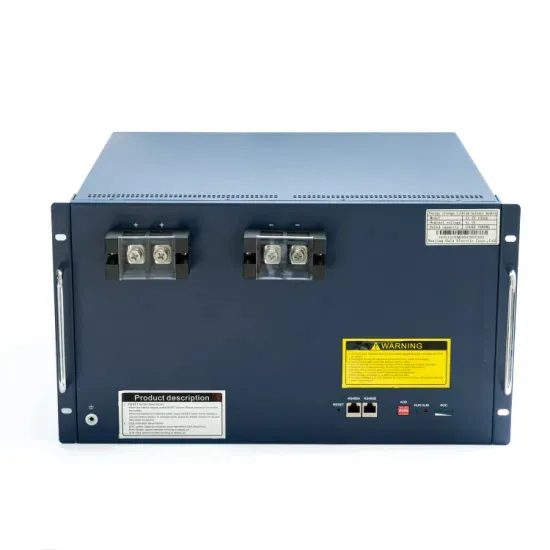 Nickel-chromium flow battery
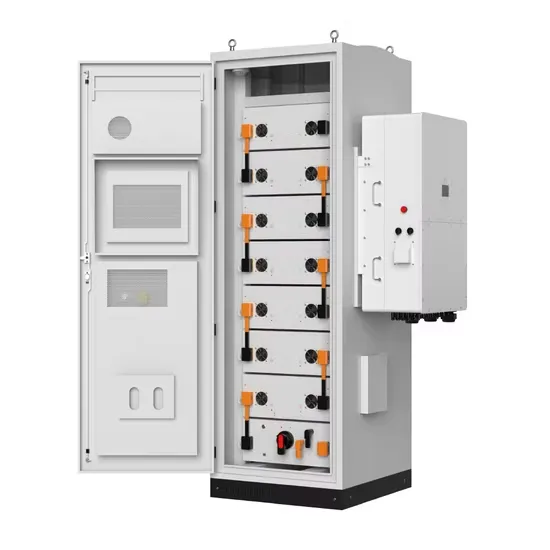 Location of flow battery solar base stations in The Gambia
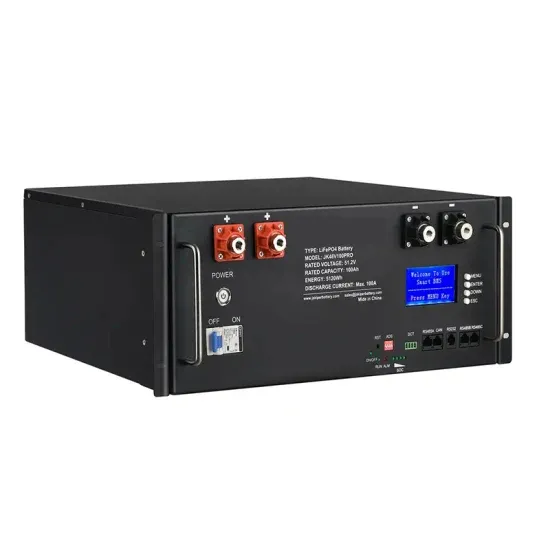 Hungarian all-vanadium flow battery
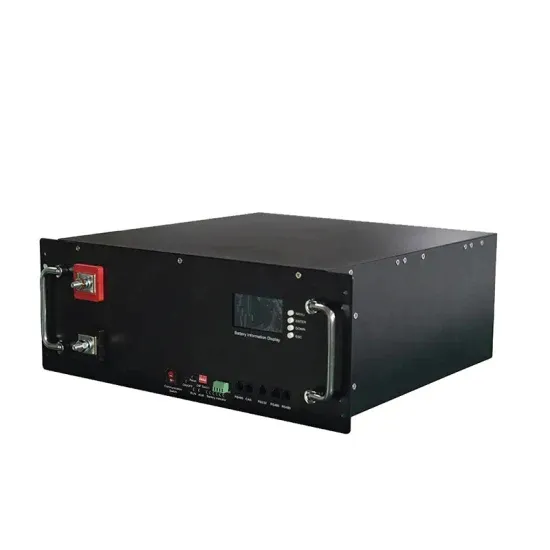 Flow Battery Professional
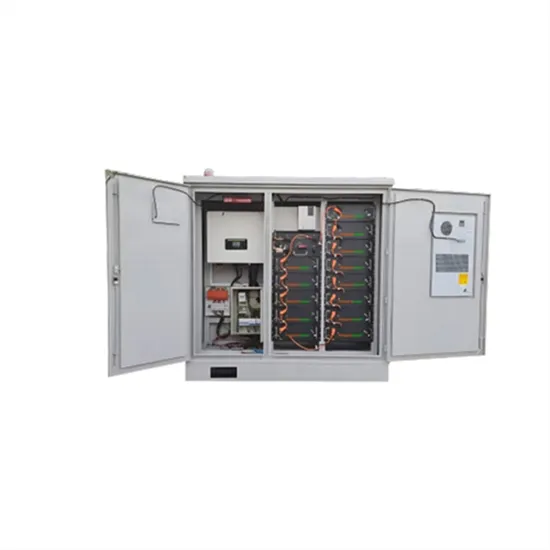 Flow battery device purchase
 Huawei Flow Battery Intelligent Interconnection
The global commercial and industrial solar energy storage battery market is experiencing unprecedented growth, with demand increasing by over 400% in the past three years. Large-scale battery storage solutions now account for approximately 45% of all new commercial solar installations worldwide. North America leads with a 42% market share, driven by corporate sustainability goals and federal investment tax credits that reduce total system costs by 30-35%. Europe follows with a 35% market share, where standardized industrial storage designs have cut installation timelines by 60% compared to custom solutions. Asia-Pacific represents the fastest-growing region at a 50% CAGR, with manufacturing innovations reducing system prices by 20% annually. Emerging markets are adopting commercial storage for peak shaving and energy cost reduction, with typical payback periods of 3-6 years. Modern industrial installations now feature integrated systems with 50kWh to multi-megawatt capacity at costs below $500/kWh for complete energy solutions.
Technological advancements are dramatically improving solar energy storage battery performance while reducing costs for commercial applications. Next-generation battery management systems maintain optimal performance with 50% less energy loss, extending battery lifespan to 20+ years. Standardized plug-and-play designs have reduced installation costs from $1,000/kW to $550/kW since 2022. Smart integration features now allow industrial systems to operate as virtual power plants, increasing business savings by 40% through time-of-use optimization and grid services. Safety innovations including multi-stage protection and thermal management systems have reduced insurance premiums by 30% for commercial storage installations. New modular designs enable capacity expansion through simple battery additions at just $450/kWh for incremental storage. These innovations have significantly improved ROI, with commercial projects typically achieving payback in 4-7 years depending on local electricity rates and incentive programs. Recent pricing trends show standard industrial systems (50-100kWh) starting at $25,000 and premium systems (200-500kWh) from $100,000, with flexible financing options available for businesses.