
 How does Russia influence Central Asia's energy landscape?Together, they delve into Russia’s growing influence in the region through nuclear energy agreements and the potential weaponization of energy dependence—unveiling strategic considerations shaping Central Asia’s energy landscape.
Why do Central Asian economies need a modern energy system?Central Asian economies are highly energy-intensive and inefficient in energy input per unit of economic output. Improving energy end-use efficiency and modernizing energy systems fortifies the region’s energy stability and contributes to achieving a secure, sustainable, and affordable energy supply in a mutually reinforcing way.
Why is Central Asia facing a critical energy crisis?From an energy security perspective, Central Asia faces a critical crisis. For instance, the Kazakh electricity sector suffers from insufficient production capacity and chronic under-investment in its grids.
Should Central Asia develop nuclear power?To summarize, the development of nuclear power in Central Asia presents a number of benefits, but at the same time generates significant questions of affordability, supply security, and sustainability that regional policymakers should carefully consider before committing to this risky trajecto
How does Russia influence Central Asia's energy landscape?Together, they delve into Russia’s growing influence in the region through nuclear energy agreements and the potential weaponization of energy dependence—unveiling strategic considerations shaping Central Asia’s energy landscape.
Why do Central Asian economies need a modern energy system?Central Asian economies are highly energy-intensive and inefficient in energy input per unit of economic output. Improving energy end-use efficiency and modernizing energy systems fortifies the region’s energy stability and contributes to achieving a secure, sustainable, and affordable energy supply in a mutually reinforcing way.
Why is Central Asia facing a critical energy crisis?From an energy security perspective, Central Asia faces a critical crisis. For instance, the Kazakh electricity sector suffers from insufficient production capacity and chronic under-investment in its grids.
Should Central Asia develop nuclear power?To summarize, the development of nuclear power in Central Asia presents a number of benefits, but at the same time generates significant questions of affordability, supply security, and sustainability that regional policymakers should carefully consider before committing to this risky trajecto
Mokhinur Sultanova Central Asia, a region rich in natural resources, has long relied on its vast reserves of fossil fuels to drive economic growth and development. However,
Get Price
The energy crisis of winter 2022-2023 was not the first to hit Central Asia but it was among the worst. The region''s two largest energy systems
Get Price
Cross-border renewable energy projects and integrated power systems could significantly enhance cooperation within Central Asia, aligning
Get Price
While China''s attractive and concrete benefits capture the attention of the Central Asian countries, this assistance might inadvertently
Get Price
China''s rapid expansion in renewable energy is upending Central Asia''s gas export market while offering Uzbekistan new opportunities in clean energy.
Get Price
Although Central Asia has demonstrated a strong commitment to environmental sustainability, the path to a "green transition" remains fraught with obstacles.
Get Price
Central Asia has significant reserves of oil, gas, uranium and critical energy transition minerals, as well as a major potential to develop renewable energy sources.
Get Price
A report co-authored by an SEI expert, using SEI''s flagship energy modelling tools, finds that improved energy connectivity in Central Asia can
Get Price
Cross-border renewable energy projects and integrated power systems could significantly enhance cooperation within Central Asia, aligning regional interests with broader
Get Price
Azerbaijan and Uzbekistan are entering a new phase of energy cooperation, one that promises to draw the two Central Asian nations closer together in a
Get Price
In June 2024, a fourth key scenario was added: Full connectivity + unlimited electricity transmission capacity between Central Asian countries Project''s energy model is a component
Get Price
Together, they delve into Russia''s growing influence in the region through nuclear energy agreements and the potential weaponization of energy dependence—unveiling
Get Price
The wider implications of Russia''s invasion and the Red Sea Crisis continue to unfold as the disruption in energy and maritime trade shifts focus on Central Asia as a viable
Get Price
Even as Europe develops renewable energy, Central Asia is highly relevant for Europe''s nuclear power given the presence of some of the largest uranium resources in the
Get Price
This report evaluates water security and energy cooperation in Central Asia, highlighting their importance within the region''s foreign policy.
Get Price
4 days ago· Strategic Outlook The transformation of Central Asia''s energy landscape is reshaping the region''s role in the global economy. The combination of expanding renewable
Get Price
The wider implications of Russia''s invasion and the Red Sea Crisis continue to unfold as the disruption in energy and maritime trade shifts
Get Price
A report drawn from SEI energy modelling tools links improved energy connectivity in Central Asia to USD 1.4 billion in annual savings by 2050.
Get Price
Central Asia is a diverse region rich in natural resources and with vast potential to develop large scale renewable energy projects. However, despite a positive trend and
Get Price
Renewable Energy Central Asia has opened its doors to renewable energy. Despite the region''s significant oil and gas reserves, coal remains the major fuel for energy
Get Price
In order to lower carbon emissions and air pollution and improve public health in Central Asia, the ideal policy in the region is increased access
Get Price
In order to lower carbon emissions and air pollution and improve public health in Central Asia, the ideal policy in the region is increased access to natural gas that can replace
Get Price
Central Asia: Electricity generation in the Energy market in Central Asia is projected to reach 281.54bn kWh in 2025. Definition: The energy market is a broad term that encompasses all
Get Price
Today, fossil fuels account for 95% of total energy supply in the 5 countries of Central Asia - - Kazakhstan, Kyrgyzstan, Tajikistan,
Get Price
In the Central Asian region, the regime management considered both the energy sector and irrigation needs, which are closely intertwined. The regime optimisation included the
Get Price
Uzbekistan, the most populous nation in Central Asia, has announced a strategic objective to significantly enhance the proportion of green energy within its energy portfolio and
Get Price
A report co-authored by an SEI expert, using SEI''s flagship energy modelling tools, finds that improved energy connectivity in Central Asia can save the region at least USD 1.4
Get Price
Despite its access to diverse energy resources (fossil and non-fossil), Central Asia is facing a complex energy security crisis [10]. The provision of modern, affordable, and
Get Price
Despite its access to diverse energy resources (fossil and non-fossil), Central Asia is facing a complex energy security crisis [10]. The
Get Price
Together, they delve into Russia’s growing influence in the region through nuclear energy agreements and the potential weaponization of energy dependence—unveiling strategic considerations shaping Central Asia’s energy landscape.
Central Asian economies are highly energy-intensive and inefficient in energy input per unit of economic output. Improving energy end-use efficiency and modernizing energy systems fortifies the region’s energy stability and contributes to achieving a secure, sustainable, and affordable energy supply in a mutually reinforcing way.
From an energy security perspective, Central Asia faces a critical crisis. For instance, the Kazakh electricity sector suffers from insufficient production capacity and chronic under-investment in its grids.
To summarize, the development of nuclear power in Central Asia presents a number of benefits, but at the same time generates significant questions of affordability, supply security, and sustainability that regional policymakers should carefully consider before committing to this risky trajectory.
 Central Asia Hybrid Energy Storage Power Generation
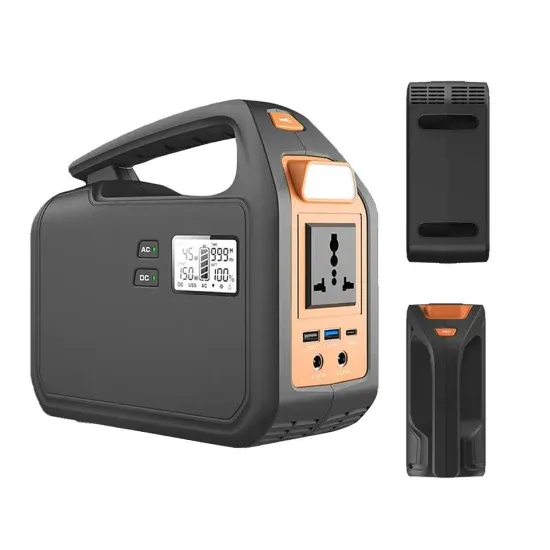 Central Asia Energy Bureau Energy Storage Project
 Central Asia Lithium-ion Energy Storage Project
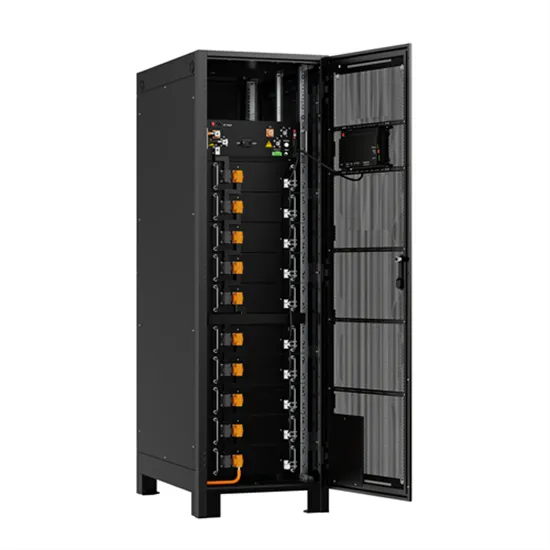 Central Asia Wind Power Energy Storage Group
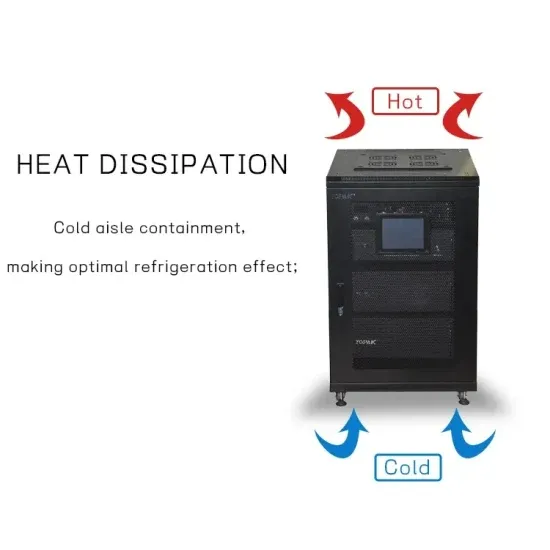 Can store solar energy on site in a circular manner
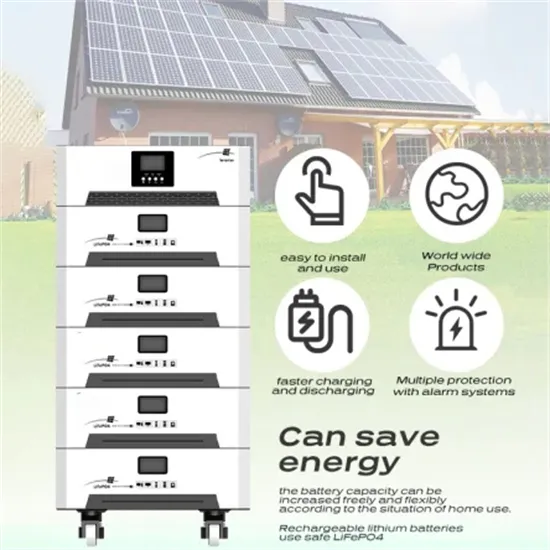 Mobile Energy Storage Site Wind Turbine Room Environment
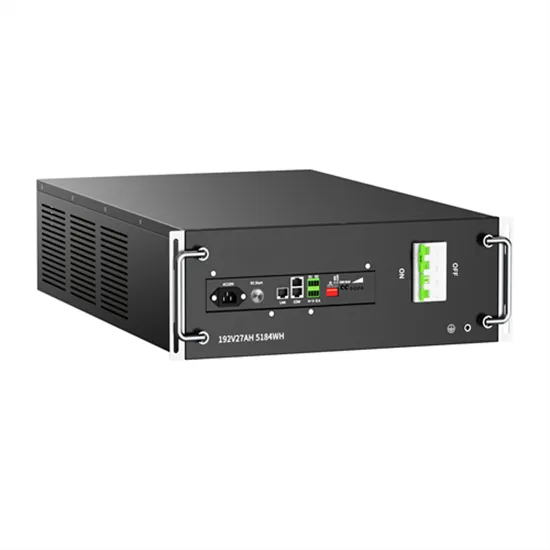 Central African Republic home photovoltaic energy storage industrial park
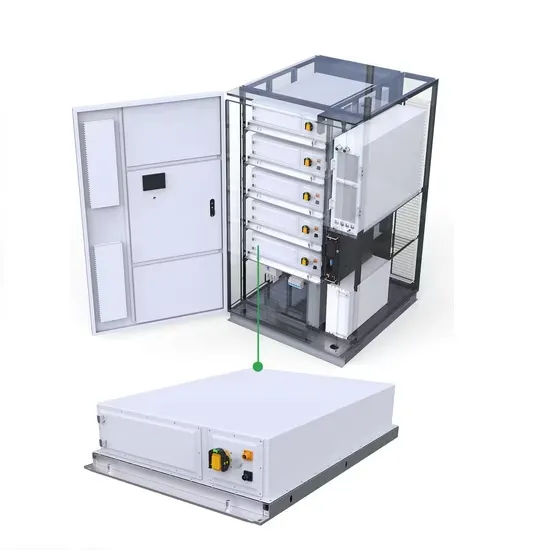 20-foot site container energy storage cabinet supplier
The global commercial and industrial solar energy storage battery market is experiencing unprecedented growth, with demand increasing by over 400% in the past three years. Large-scale battery storage solutions now account for approximately 45% of all new commercial solar installations worldwide. North America leads with a 42% market share, driven by corporate sustainability goals and federal investment tax credits that reduce total system costs by 30-35%. Europe follows with a 35% market share, where standardized industrial storage designs have cut installation timelines by 60% compared to custom solutions. Asia-Pacific represents the fastest-growing region at a 50% CAGR, with manufacturing innovations reducing system prices by 20% annually. Emerging markets are adopting commercial storage for peak shaving and energy cost reduction, with typical payback periods of 3-6 years. Modern industrial installations now feature integrated systems with 50kWh to multi-megawatt capacity at costs below $500/kWh for complete energy solutions.
Technological advancements are dramatically improving solar energy storage battery performance while reducing costs for commercial applications. Next-generation battery management systems maintain optimal performance with 50% less energy loss, extending battery lifespan to 20+ years. Standardized plug-and-play designs have reduced installation costs from $1,000/kW to $550/kW since 2022. Smart integration features now allow industrial systems to operate as virtual power plants, increasing business savings by 40% through time-of-use optimization and grid services. Safety innovations including multi-stage protection and thermal management systems have reduced insurance premiums by 30% for commercial storage installations. New modular designs enable capacity expansion through simple battery additions at just $450/kWh for incremental storage. These innovations have significantly improved ROI, with commercial projects typically achieving payback in 4-7 years depending on local electricity rates and incentive programs. Recent pricing trends show standard industrial systems (50-100kWh) starting at $25,000 and premium systems (200-500kWh) from $100,000, with flexible financing options available for businesses.