
 Croatia is working on a national feasibility study on the CCS value chain, and aims to establish a national platform for the collection, use and storage of CO2. The Croatian hydrogen strategy until 2050, adopted in 2022, stresses the role of hydrogen for industrial decarbonisation.How can Croatia become energy-independent and sustainable?In order to become energy-independent and sustainable, Croatia counts on its abundant renewable energy resources. In February 2020, the Croatian government adopted a new Energy Strategy for the period until 2030, with an outlook through 2050.
How much energy does Croatia use?According to Eurostat, gross primary energy consumption in Croatia in 2021 was 9.61 Terrawatt hours (TWh) and final energy consumption was 8.1 TWh. Renewable energies account for 31.33 % of Croatia’s energy mix, with 53.47% of total electricity production coming from renewables, primarily large hydropower plants.
Does Croatia have a climate and energy investment gap?It points out that Croatia's draft updated NECP was incomplete on investment needs, making it impossible to estimate the climate and energy investment gap. Croatia received an overall low rating in the 2025 Climate Change Performance Index (CCPI), and dropped five places in the country ranking.
Does Croatia have a nuclear reactor?Croatia also co-owns the Krsko nuclear reactor in Slovenia, which is included in its energy mix as imported electricity. In order to become energy-independent and sustainable, Croatia counts on its abundant renewable energy resources.
Where does Croatia get its electricity from?Croatia receives electricity from the Krško nuclear power plant, which is located in Slovenia and jointly managed by both countries under an intergovernmental treaty. Around a third of available energy is produced domestically. Croatia exported almost 3.8 Mtoe in 2023, mostly oil and petroleum products, gas and electricity.
Does Croatia need a long-term strategy?It requires Croatia to adopt a long-term strategy, with a 30-year horizon, updated every five years if necessary; an adaptation strategy for the period up to 2040 with a view to 2070; and a 10-year NECP. It also requires Croatia to formulate five-year action plans for the implementation of the long-term strategy and the adaptation strate
Croatia is working on a national feasibility study on the CCS value chain, and aims to establish a national platform for the collection, use and storage of CO2. The Croatian hydrogen strategy until 2050, adopted in 2022, stresses the role of hydrogen for industrial decarbonisation.How can Croatia become energy-independent and sustainable?In order to become energy-independent and sustainable, Croatia counts on its abundant renewable energy resources. In February 2020, the Croatian government adopted a new Energy Strategy for the period until 2030, with an outlook through 2050.
How much energy does Croatia use?According to Eurostat, gross primary energy consumption in Croatia in 2021 was 9.61 Terrawatt hours (TWh) and final energy consumption was 8.1 TWh. Renewable energies account for 31.33 % of Croatia’s energy mix, with 53.47% of total electricity production coming from renewables, primarily large hydropower plants.
Does Croatia have a climate and energy investment gap?It points out that Croatia's draft updated NECP was incomplete on investment needs, making it impossible to estimate the climate and energy investment gap. Croatia received an overall low rating in the 2025 Climate Change Performance Index (CCPI), and dropped five places in the country ranking.
Does Croatia have a nuclear reactor?Croatia also co-owns the Krsko nuclear reactor in Slovenia, which is included in its energy mix as imported electricity. In order to become energy-independent and sustainable, Croatia counts on its abundant renewable energy resources.
Where does Croatia get its electricity from?Croatia receives electricity from the Krško nuclear power plant, which is located in Slovenia and jointly managed by both countries under an intergovernmental treaty. Around a third of available energy is produced domestically. Croatia exported almost 3.8 Mtoe in 2023, mostly oil and petroleum products, gas and electricity.
Does Croatia need a long-term strategy?It requires Croatia to adopt a long-term strategy, with a 30-year horizon, updated every five years if necessary; an adaptation strategy for the period up to 2040 with a view to 2070; and a 10-year NECP. It also requires Croatia to formulate five-year action plans for the implementation of the long-term strategy and the adaptation strate
This event will bring together key stakeholders from across the region to explore the latest trends in energy storage, with a focus on the
Get Price
ESS solutions like those developed by Rimac Energy allow Croatia to store surplus energy generated from renewables like wind and solar, making it available when
Get Price
The Government of Croatia is preparing EUR 500 million for the installation of batteries for storing renewable energy. Minister of Economy and
Get Price
Key strategies include enabling real-time energy data access, developing dynamic tariff and feed-in policies, establishing energy sharing mechanisms, and introducing flexible distribution keys.
Get Price
The objective of this Policy Note is to provide an assessment of the energy sector in Croatia as background information contributing to the elaboration of Croatia''s National Development
Get Price
This event will bring together key stakeholders from across the region to explore the latest trends in energy storage, with a focus on the increasing integration of energy storage
Get Price
Energy storage in development - Following minor delays, Croatia''s first large-scale battery storage system in Šibenik, which is subsidised by EU
Get Price
IE-Energy, a startup company based in Rijeka, received approval for a subsidy of 19.8 million euros for the project to build an electrical energy storage system at the grid level.
Get Price
ive 8. ''Environmental and energy transition for climate neutrality'', p iority policy area number 2 stimulates strong decarbonisation of the energy sector and growth of the share of electricity
Get Price
Abstract Purpose of Review Energy storage systems are becoming important agents in electricity markets. They are deployed to support further integration of renewable energy sources and
Get Price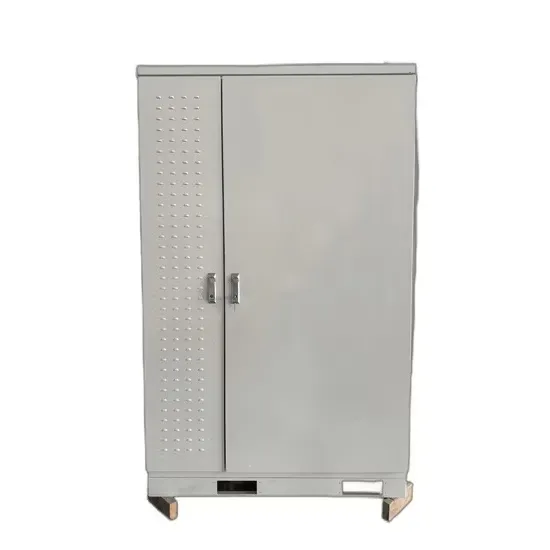
Croatia plans to modernise and expand electricity grids and construct energy storage facilities in order to integrate a growing RES share, in line with its energy development strategy.
Get Price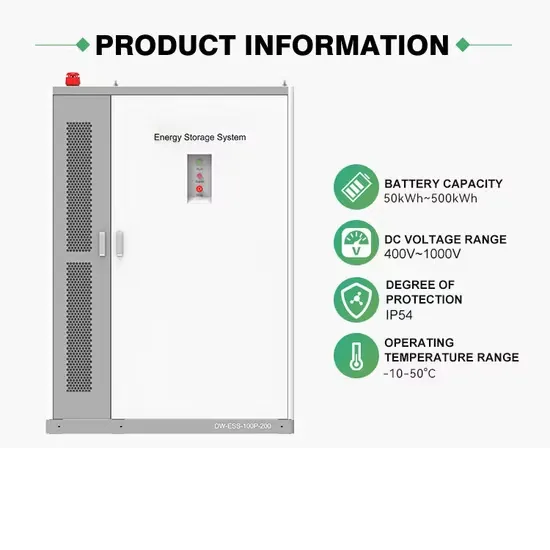
The Integrated National Energy and Climate Plan for the period 2021-2030 builds on existing national strategies and plans. It provides an overview of the current energy system and the
Get Price
The Government of Croatia is preparing EUR 500 million for the installation of batteries for storing renewable energy. Minister of Economy and Sustainable Development
Get Price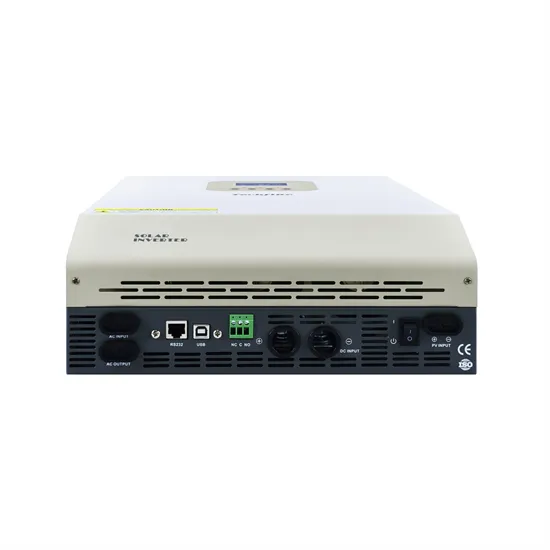
Slovenian company GP Sistemi is preparing to build a 60 MW solar power plant in Croatia''s coastal Dalmatia region, with plans to install battery storage and, at a later date, to introduce
Get Price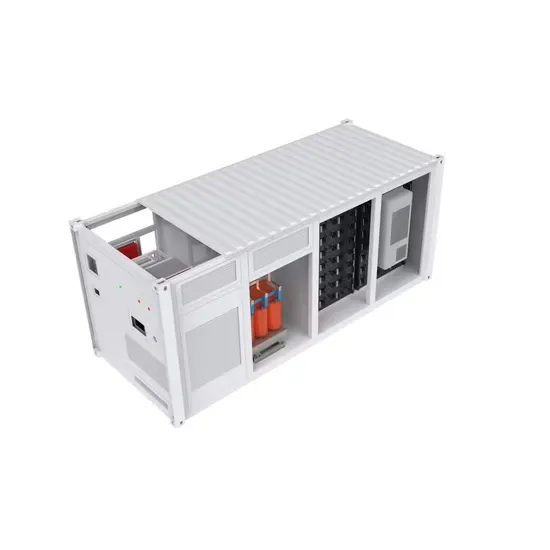
Croatian provider of Battery Energy Storage Systems (BESS) Rimac Energy, a division of Rimac Technology, said on Wednesday that its first SineStack BESS is now ready for deployment to
Get Price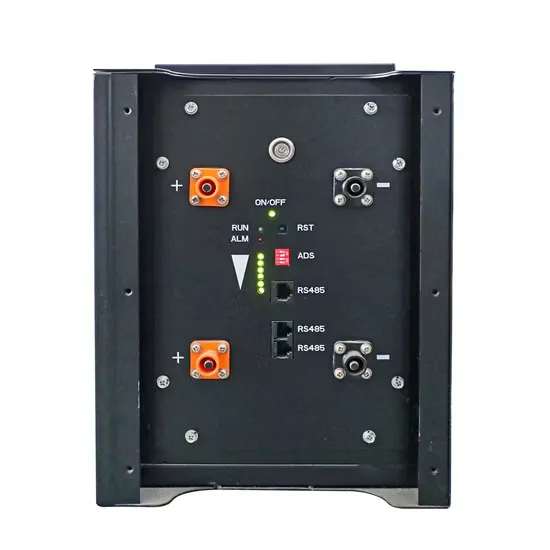
Croatia will provide some €500 million (US$534 million) in subsidies for battery energy storage system (BESS) technology, a government minister has said.
Get Price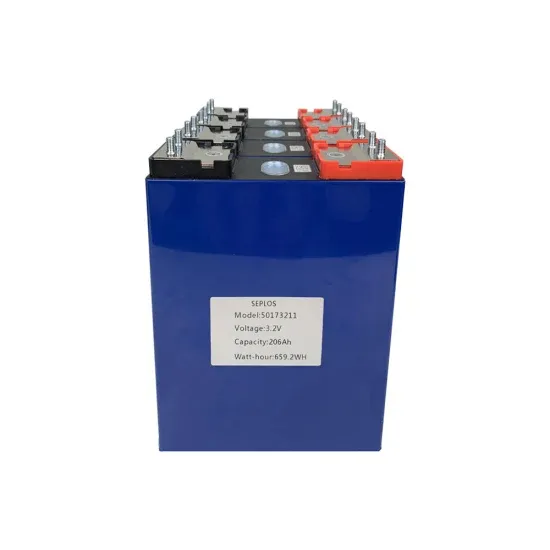
The Strategy includes a wide range of energy policy initiatives that will improve energy security, increase energy efficiency, lower dependence on fossil fuels, increase local
Get Price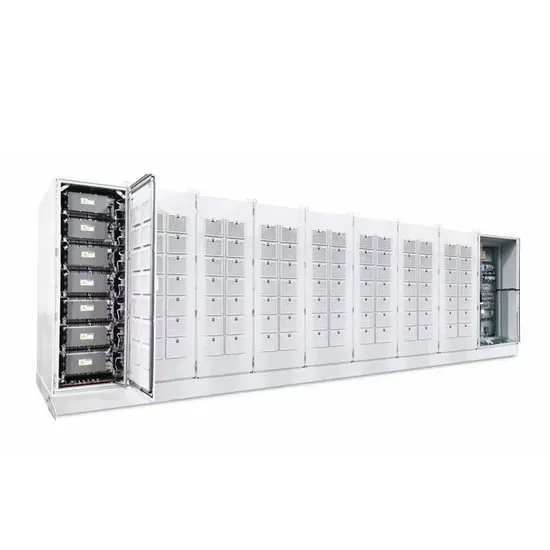
Energy storage in development - Following minor delays, Croatia''s first large-scale battery storage system in Šibenik, which is subsidised by EU funds and the biggest of its kind
Get Price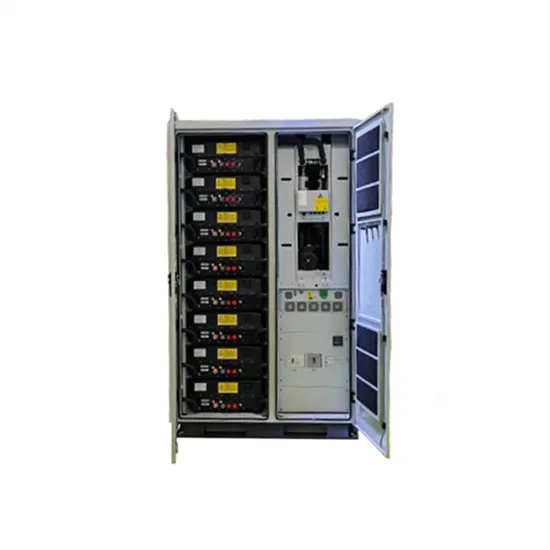
Energy law in Croatia is governed by a series of laws and regulations designed to ensure energy security, promote renewable sources, and support environmental protection.
Get Price
The Renewable Energy Sources of Croatia Association (RES Croatia) says Croatia''s solar market is growing year over year. But with
Get Price
The Government of Croatia has adopted the amendments to the law on renewable energy sources and high-efficiency cogeneration. They
Get Price
Policies Towards Foreign Direct Investment Croatia is generally open to foreign investment and the Croatian government continues to make efforts, through financial
Get Price
This article explores the current state, challenges, and future opportunities for energy storage technology in the Croatian power grid, with actionable insights for businesses and policymakers.
Get Price
"There is immense scope for energy storage in Croatia,predominantly for battery storage." GlobalData says that Croatia is now on target to meet its 36.4% renewable energy target by
Get Price
Why Croatia Is Betting Big on Renewable Energy Storage Over the past decade, Croatia has emerged as a leader in renewable energy integration, particularly in combining wind farms and
Get Price
As Croatia works toward its 2030 target of 36% renewable energy share, the Croatia Power Company Energy Storage Project serves as both technical solution and policy model.
Get Price
In order to become energy-independent and sustainable, Croatia counts on its abundant renewable energy resources. In February 2020, the Croatian government adopted a new Energy Strategy for the period until 2030, with an outlook through 2050.
According to Eurostat, gross primary energy consumption in Croatia in 2021 was 9.61 Terrawatt hours (TWh) and final energy consumption was 8.1 TWh. Renewable energies account for 31.33 % of Croatia’s energy mix, with 53.47% of total electricity production coming from renewables, primarily large hydropower plants.
It points out that Croatia's draft updated NECP was incomplete on investment needs, making it impossible to estimate the climate and energy investment gap. Croatia received an overall low rating in the 2025 Climate Change Performance Index (CCPI), and dropped five places in the country ranking.
Croatia also co-owns the Krsko nuclear reactor in Slovenia, which is included in its energy mix as imported electricity. In order to become energy-independent and sustainable, Croatia counts on its abundant renewable energy resources.
Croatia receives electricity from the Krško nuclear power plant, which is located in Slovenia and jointly managed by both countries under an intergovernmental treaty. Around a third of available energy is produced domestically. Croatia exported almost 3.8 Mtoe in 2023, mostly oil and petroleum products, gas and electricity.
It requires Croatia to adopt a long-term strategy, with a 30-year horizon, updated every five years if necessary; an adaptation strategy for the period up to 2040 with a view to 2070; and a 10-year NECP. It also requires Croatia to formulate five-year action plans for the implementation of the long-term strategy and the adaptation strategy.
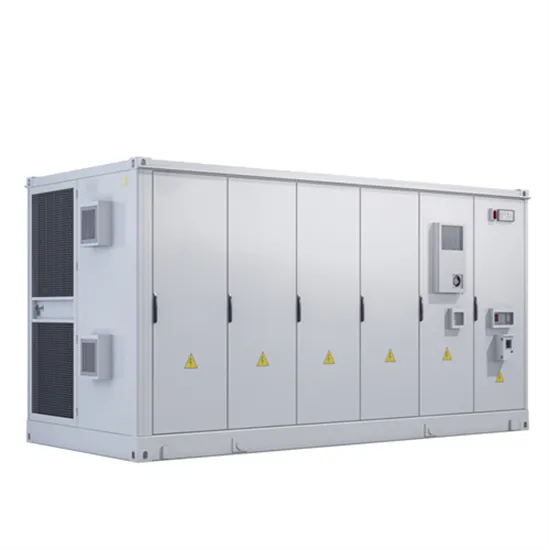 Croatian energy storage mobile power supply manufacturer
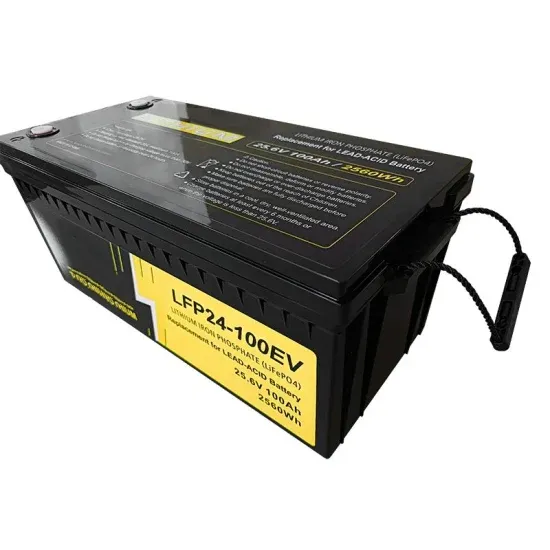 Thailand s photovoltaic energy storage policy
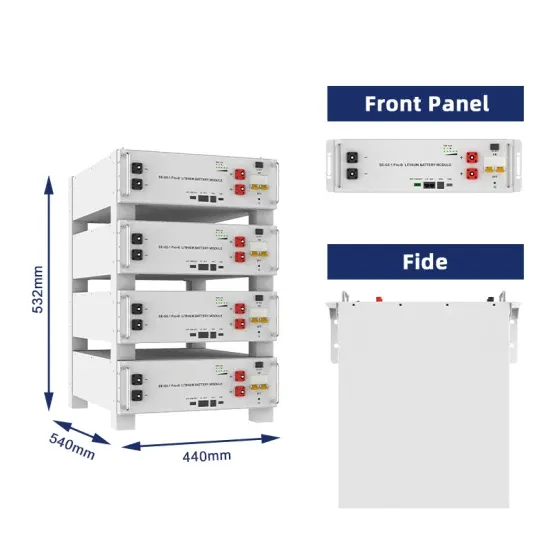 Ghana s photovoltaic charging pile energy storage policy
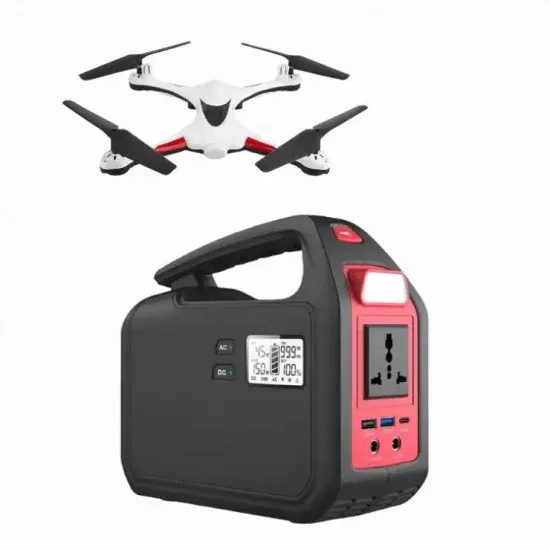 New Energy Power Station Energy Storage Policy Measures
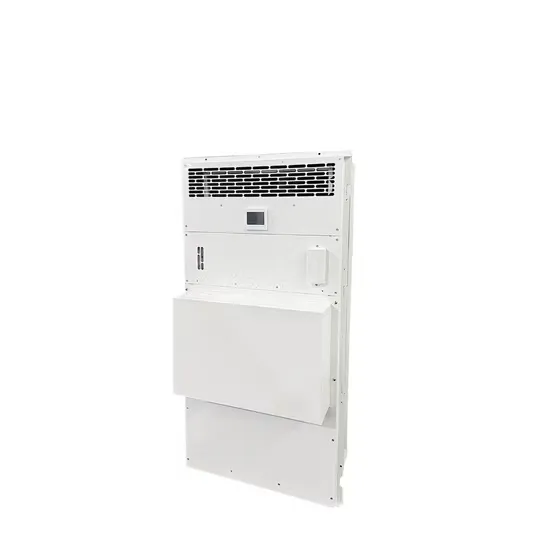 Northern Cyprus wind power project plus energy storage policy
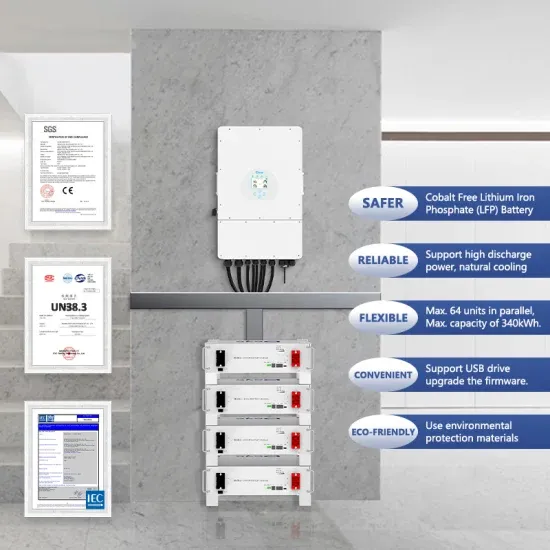 Senegal s new energy power station energy storage policy
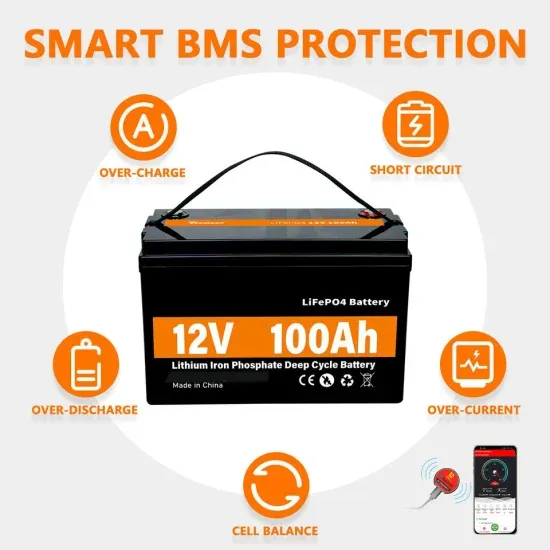 Haiti s photovoltaic charging pile energy storage policy
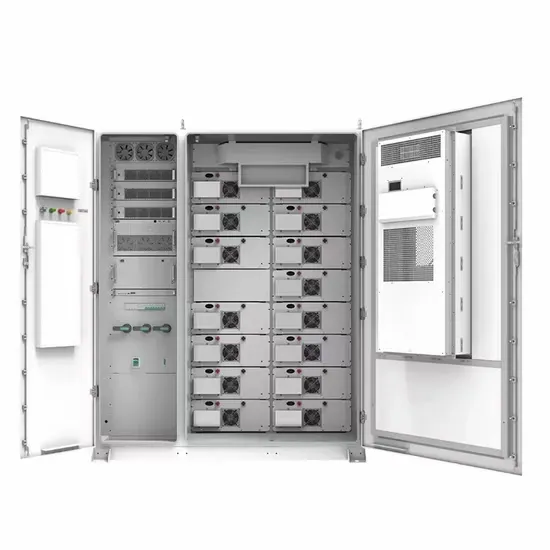 South Sudan s photovoltaic energy storage policy
The global commercial and industrial solar energy storage battery market is experiencing unprecedented growth, with demand increasing by over 400% in the past three years. Large-scale battery storage solutions now account for approximately 45% of all new commercial solar installations worldwide. North America leads with a 42% market share, driven by corporate sustainability goals and federal investment tax credits that reduce total system costs by 30-35%. Europe follows with a 35% market share, where standardized industrial storage designs have cut installation timelines by 60% compared to custom solutions. Asia-Pacific represents the fastest-growing region at a 50% CAGR, with manufacturing innovations reducing system prices by 20% annually. Emerging markets are adopting commercial storage for peak shaving and energy cost reduction, with typical payback periods of 3-6 years. Modern industrial installations now feature integrated systems with 50kWh to multi-megawatt capacity at costs below $500/kWh for complete energy solutions.
Technological advancements are dramatically improving solar energy storage battery performance while reducing costs for commercial applications. Next-generation battery management systems maintain optimal performance with 50% less energy loss, extending battery lifespan to 20+ years. Standardized plug-and-play designs have reduced installation costs from $1,000/kW to $550/kW since 2022. Smart integration features now allow industrial systems to operate as virtual power plants, increasing business savings by 40% through time-of-use optimization and grid services. Safety innovations including multi-stage protection and thermal management systems have reduced insurance premiums by 30% for commercial storage installations. New modular designs enable capacity expansion through simple battery additions at just $450/kWh for incremental storage. These innovations have significantly improved ROI, with commercial projects typically achieving payback in 4-7 years depending on local electricity rates and incentive programs. Recent pricing trends show standard industrial systems (50-100kWh) starting at $25,000 and premium systems (200-500kWh) from $100,000, with flexible financing options available for businesses.