
 What is the difference between a positive and negative battery terminal?The positive terminal should be connected to the positive cables of the vehicle’s electrical system, while the negative terminal should be connected to the negative cables. The positive terminal should be located on the top of the battery, while the negative terminal should be located on the side of the battery.
How do you know if a battery is positive or negative?The negative terminal is often black and marked “-”. The battery casing next to the terminal should also have a “-” stamp. If your battery has poles but no markings, check their widths. The smaller of the two is the negative terminal. Check for a red terminal with a “+” sign. Many batteries are color-coded–red for positive and black for negative.
What is the negative side of a battery?The negative side of a battery is an important component that plays a crucial role in the overall functioning of the battery. Here are some signs to help you identify the negative side of a battery: Terminal: The negative side of a battery is usually marked with a minus sign (-) on the battery terminal.
Can a battery work without positive and negative sides?The excess electrons at the negative terminal rush out, travel through your device, and are drawn to the positive terminal. The process continues until the chemicals in the electrolyte are depleted and the battery dies. So yes, it's impossible for a battery to work without positive and negative sides. Do they always have to be facing opposite?.
What is a positive side of a battery?The positive side of the battery is usually indicated by a “+” symbol or a longer terminal. This terminal is connected to the positive electrode of the battery, which contains a higher potential energy. It is important to connect this side to the corresponding positive terminal of a device or circuit.
Why does a battery have a negative terminal compared to a cathode?This buildup is what creates the negative terminal, while the cathode develops a positive charge from its resulting lack of electrons. This potential for power just sits there, waiting. The chemical reactions won't fully kick off until you connect the battery to a device and create a complete circu
What is the difference between a positive and negative battery terminal?The positive terminal should be connected to the positive cables of the vehicle’s electrical system, while the negative terminal should be connected to the negative cables. The positive terminal should be located on the top of the battery, while the negative terminal should be located on the side of the battery.
How do you know if a battery is positive or negative?The negative terminal is often black and marked “-”. The battery casing next to the terminal should also have a “-” stamp. If your battery has poles but no markings, check their widths. The smaller of the two is the negative terminal. Check for a red terminal with a “+” sign. Many batteries are color-coded–red for positive and black for negative.
What is the negative side of a battery?The negative side of a battery is an important component that plays a crucial role in the overall functioning of the battery. Here are some signs to help you identify the negative side of a battery: Terminal: The negative side of a battery is usually marked with a minus sign (-) on the battery terminal.
Can a battery work without positive and negative sides?The excess electrons at the negative terminal rush out, travel through your device, and are drawn to the positive terminal. The process continues until the chemicals in the electrolyte are depleted and the battery dies. So yes, it's impossible for a battery to work without positive and negative sides. Do they always have to be facing opposite?.
What is a positive side of a battery?The positive side of the battery is usually indicated by a “+” symbol or a longer terminal. This terminal is connected to the positive electrode of the battery, which contains a higher potential energy. It is important to connect this side to the corresponding positive terminal of a device or circuit.
Why does a battery have a negative terminal compared to a cathode?This buildup is what creates the negative terminal, while the cathode develops a positive charge from its resulting lack of electrons. This potential for power just sits there, waiting. The chemical reactions won't fully kick off until you connect the battery to a device and create a complete circu
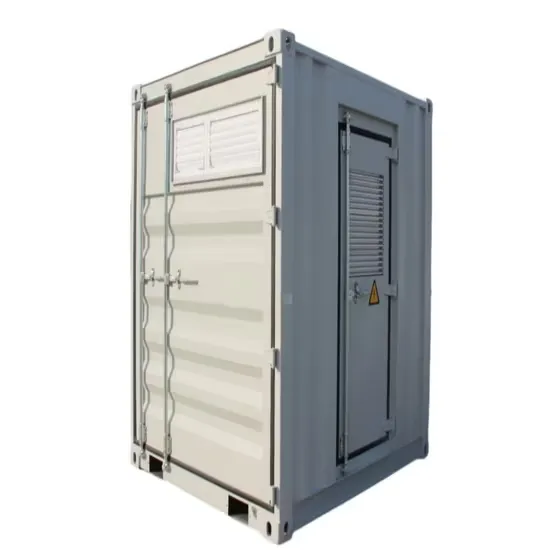
Learn how to identify unmarked car battery terminals with easy steps and tips for safe maintenance and battery care.
Get Price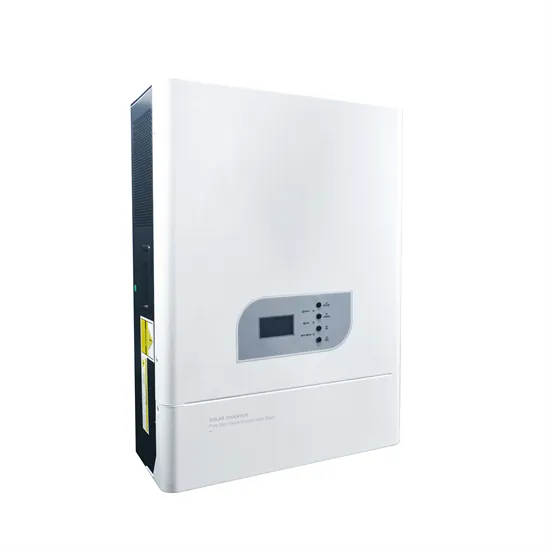
To identify the positive and negative terminals of a battery, look for the markings on the battery itself. If there are no markings, you can also check the battery terminals for any
Get Price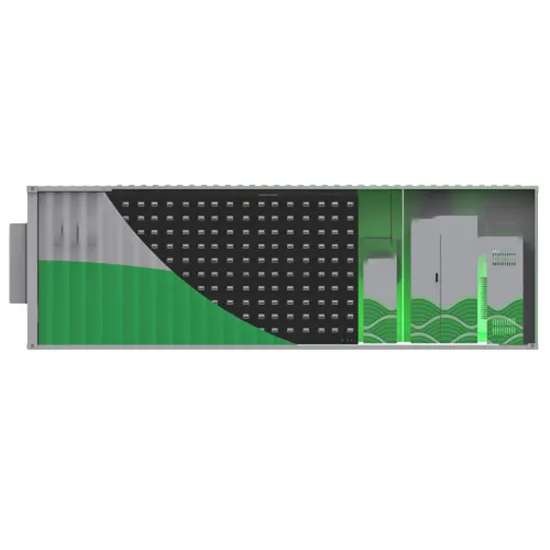
Whether you''re jumpstarting your car or switching out the battery, it''s incredibly important to know which battery terminal is which. Generally, the positive battery terminal is
Get Price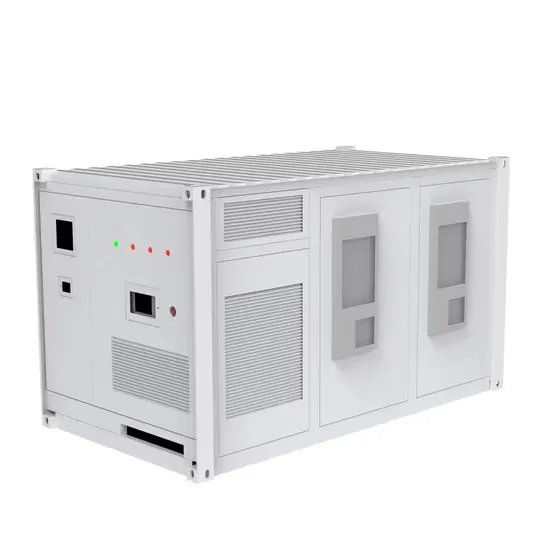
Lead-acid battery Lead-acid battery is a type of secondary battery which uses a positive electrode of brown lead oxide (sometimes called lead peroxide), a negative electrode of metallic lead
Get Price
Lithium battery energy storage cabinets can meet the needs of different large-scale projects and are very suitable for grid auxiliary services
Get Price
When a load is connected to the positive terminal, the battery supplies electrons that travel through the circuit and power the device. The negative terminal, on
Get Price
There are three different ways you can tell which side of a car battery is positive and which is negative. The "+" sign on the cover will indicate
Get Price
The positive terminal is marked with a "+" sign, while the negative terminal is marked with a "-" sign. The positive terminal is connected to the positive cables of the vehicle''s
Get Price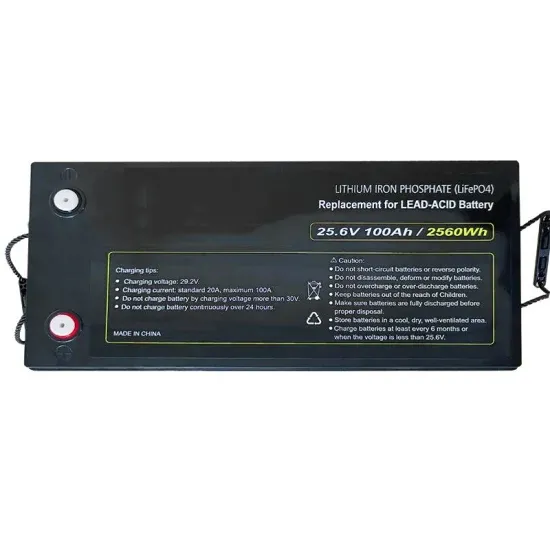
Whether you''re jump-starting a car or replacing a battery, recognizing positive and negative terminals is essential. In this post, we''ll
Get Price
The positive terminal is almost always marked with a "+" symbol, and the negative terminal is marked with a "-" symbol. These symbols are often molded into the battery casing
Get Price
Learn the safe way to disconnect a car battery. Discover whether you should remove the positive or negative terminal first to avoid sparks, shocks, and costly damage.
Get Price
This flow is directed from the positive terminal to the negative terminal, creating a circuit. The battery''s chemical reactions generate this flow, with the positive terminal
Get Price
Learn foolproof methods to visually identify positive and negative battery terminals, safely jump start a car, maintain optimum battery health, and
Get Price
Let''s dive deeper into this topic and explore the significance of understanding positive and negative terminals, as well as the importance of correct polarity connection.
Get Price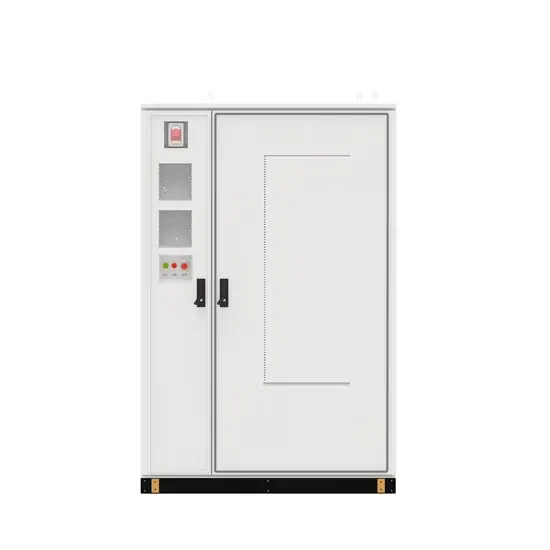
The positive terminal should be located on the top of the battery, while the negative terminal should be located on the side of the battery. The positive terminal and the
Get Price
Whether you''re jump-starting a car or replacing a battery, recognizing positive and negative terminals is essential. In this post, we''ll explore their functions, importance, and how
Get Price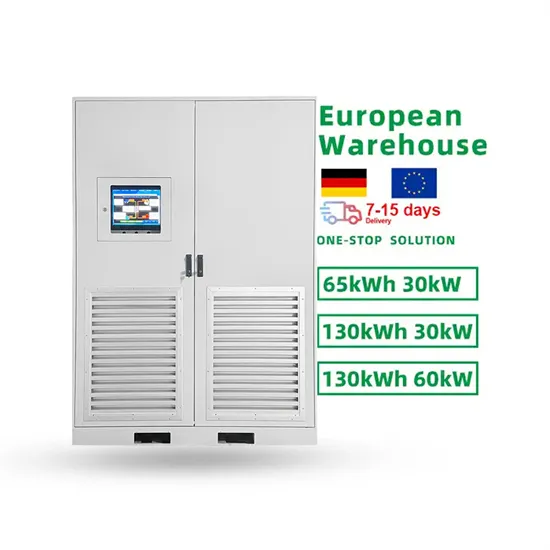
The positive and negative terminals are foundational to how a battery works, but the terminals don''t necessarily need to be opposite of each other.
Get Price
4 days ago· Confused about car battery terminals? Learn how to quickly identify positive and negative connections to avoid mistakes and ensure safe installation.
Get Price
The process is driven by two key components inside the battery called electrodes: the cathode, which forms the positive (+) side, and the anode, which forms the negative (-) side.
Get Price
In this article, we will discuss positive and negative battery terminals in a simple and comprehensive way, as well as explaining the five
Get Price
Buy Positive and Negative Pole Battery Cabinet Current Industrial New High Voltage Energy St online today! Positive and Negative Pole Energy Storage Connector Battery Cabinet High
Get Price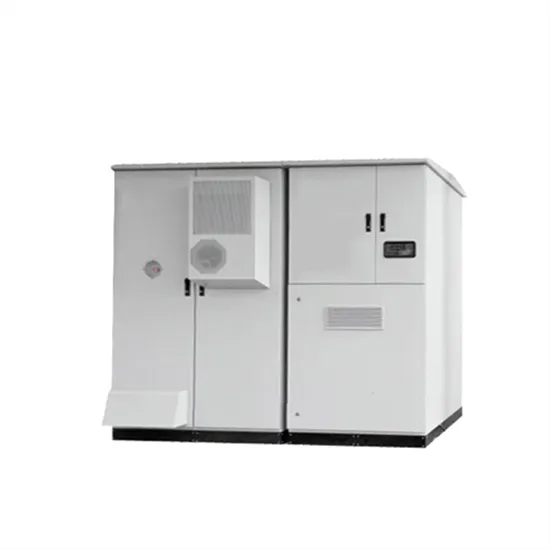
What happens if the battery energy storage system structure is invalid? In case the battery energy storage system structure is invalid or exceeds the temperature limit,the energy
Get Price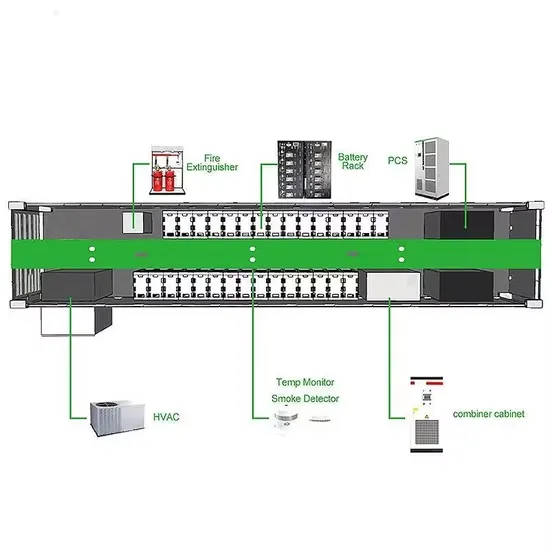
When a load is connected to the positive terminal, the battery supplies electrons that travel through the circuit and power the device. The negative terminal, on the other hand, is usually
Get Price
tteries in a compact space. The integrated positive and negative busbars support up to 600 Amps of current for increased energy density and the multiple cable entry/exit knockouts on the top,
Get Price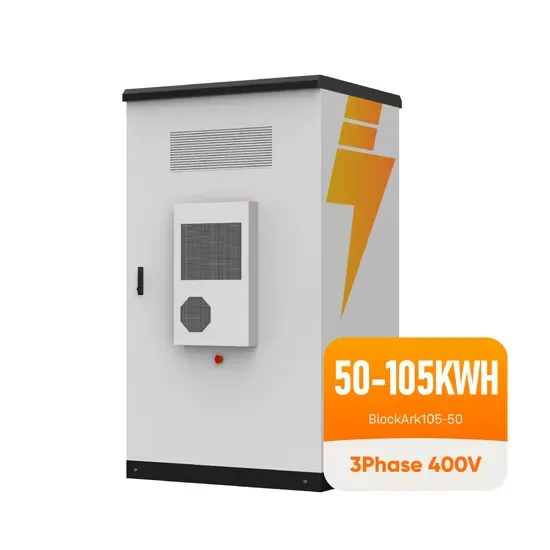
In this article, we will discuss positive and negative battery terminals in a simple and comprehensive way, as well as explaining the five main differences between them.
Get Price
Install battery retention strap through openings in rear of battery cabinet. Orient the buckle per Figure 17. Figure 4: Connectors and Wires Moved to the Side Install the separately ordered
Get Price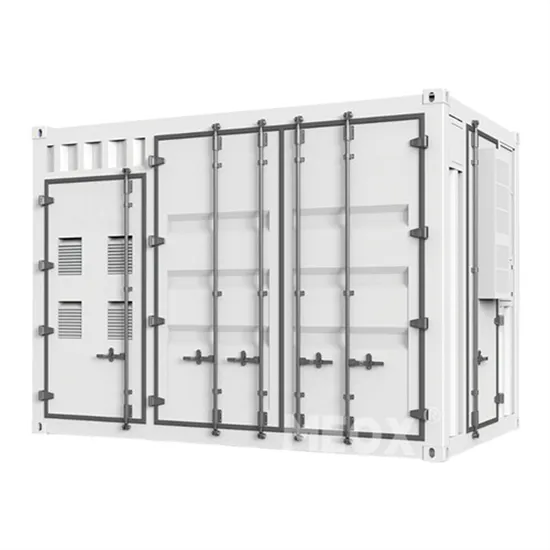
The positive terminal should be connected to the positive cables of the vehicle’s electrical system, while the negative terminal should be connected to the negative cables. The positive terminal should be located on the top of the battery, while the negative terminal should be located on the side of the battery.
The negative terminal is often black and marked “-”. The battery casing next to the terminal should also have a “-” stamp. If your battery has poles but no markings, check their widths. The smaller of the two is the negative terminal. Check for a red terminal with a “+” sign. Many batteries are color-coded–red for positive and black for negative.
The negative side of a battery is an important component that plays a crucial role in the overall functioning of the battery. Here are some signs to help you identify the negative side of a battery: Terminal: The negative side of a battery is usually marked with a minus sign (-) on the battery terminal.
The excess electrons at the negative terminal rush out, travel through your device, and are drawn to the positive terminal. The process continues until the chemicals in the electrolyte are depleted and the battery dies. So yes, it's impossible for a battery to work without positive and negative sides. Do they always have to be facing opposite?
The positive side of the battery is usually indicated by a “+” symbol or a longer terminal. This terminal is connected to the positive electrode of the battery, which contains a higher potential energy. It is important to connect this side to the corresponding positive terminal of a device or circuit.
This buildup is what creates the negative terminal, while the cathode develops a positive charge from its resulting lack of electrons. This potential for power just sits there, waiting. The chemical reactions won't fully kick off until you connect the battery to a device and create a complete circuit.
 Total positive and negative temperature of lithium battery pack
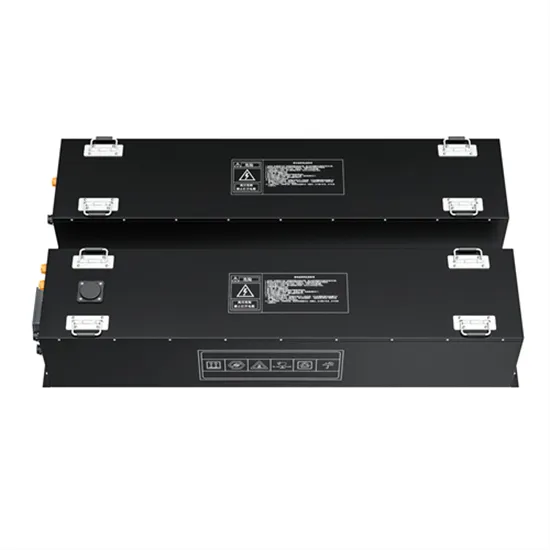 Telecom site low temperature rechargeable battery cabinet
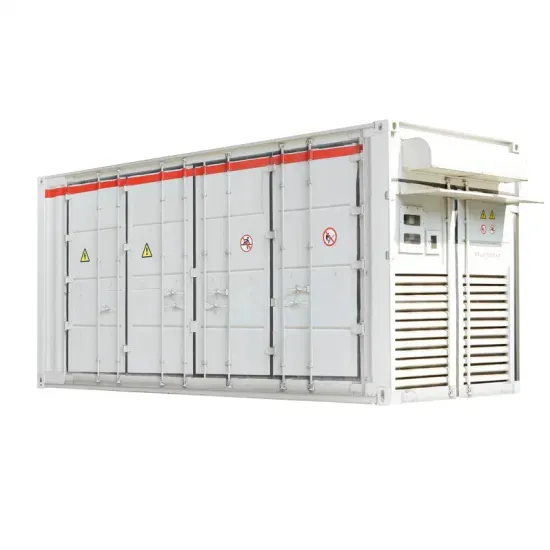 How to view the output current of the battery cabinet
 Paraguay Outdoor Communication Battery Cabinet Mauritania
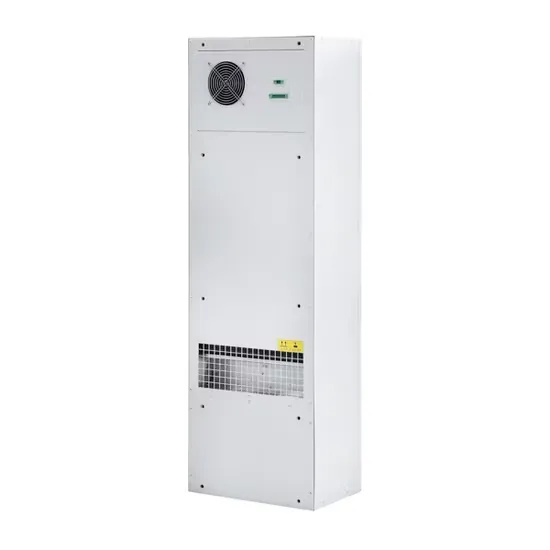 Battery cabinet throwing technology
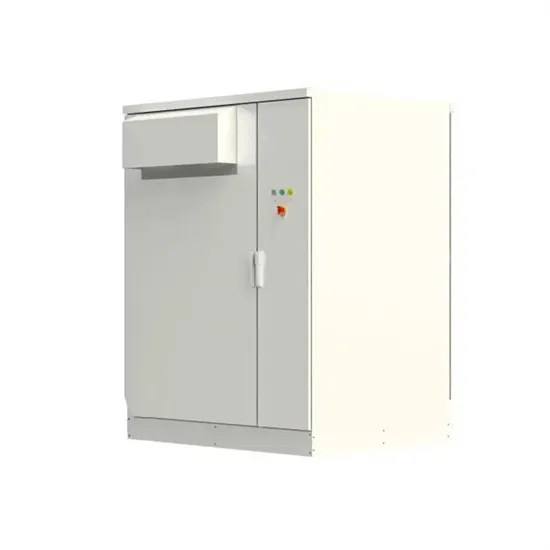 Which brand of battery cabinet is easy to use
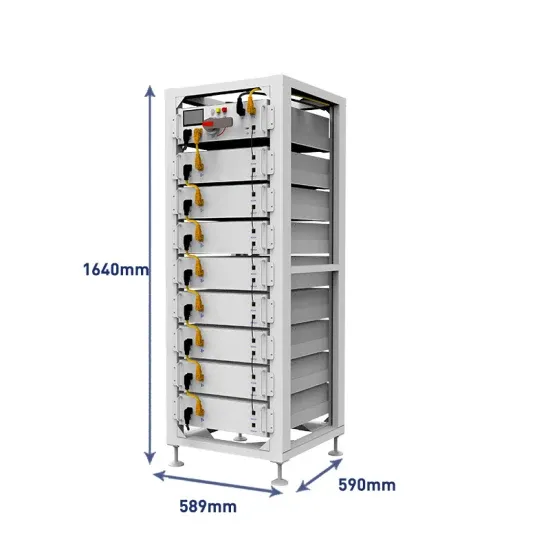 Where can I find a battery cabinet wholesale factory in Sierra Leone
 Energy storage battery cabinet export
The global commercial and industrial solar energy storage battery market is experiencing unprecedented growth, with demand increasing by over 400% in the past three years. Large-scale battery storage solutions now account for approximately 45% of all new commercial solar installations worldwide. North America leads with a 42% market share, driven by corporate sustainability goals and federal investment tax credits that reduce total system costs by 30-35%. Europe follows with a 35% market share, where standardized industrial storage designs have cut installation timelines by 60% compared to custom solutions. Asia-Pacific represents the fastest-growing region at a 50% CAGR, with manufacturing innovations reducing system prices by 20% annually. Emerging markets are adopting commercial storage for peak shaving and energy cost reduction, with typical payback periods of 3-6 years. Modern industrial installations now feature integrated systems with 50kWh to multi-megawatt capacity at costs below $500/kWh for complete energy solutions.
Technological advancements are dramatically improving solar energy storage battery performance while reducing costs for commercial applications. Next-generation battery management systems maintain optimal performance with 50% less energy loss, extending battery lifespan to 20+ years. Standardized plug-and-play designs have reduced installation costs from $1,000/kW to $550/kW since 2022. Smart integration features now allow industrial systems to operate as virtual power plants, increasing business savings by 40% through time-of-use optimization and grid services. Safety innovations including multi-stage protection and thermal management systems have reduced insurance premiums by 30% for commercial storage installations. New modular designs enable capacity expansion through simple battery additions at just $450/kWh for incremental storage. These innovations have significantly improved ROI, with commercial projects typically achieving payback in 4-7 years depending on local electricity rates and incentive programs. Recent pricing trends show standard industrial systems (50-100kWh) starting at $25,000 and premium systems (200-500kWh) from $100,000, with flexible financing options available for businesses.